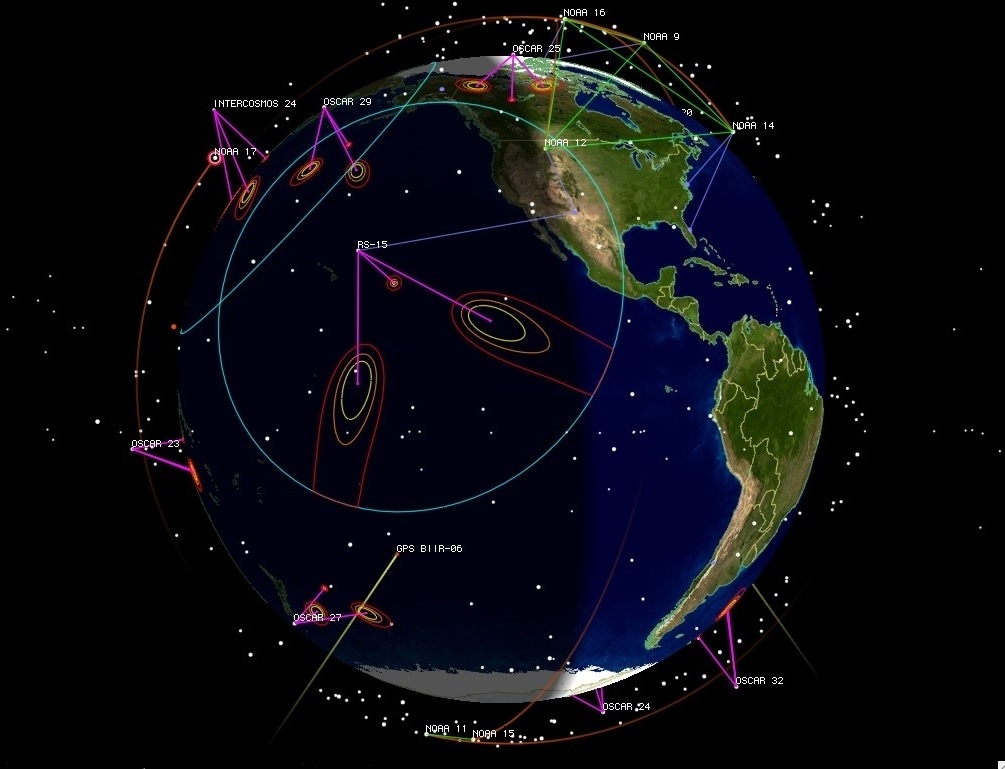
The SGP4 model to calculate orbital state vectors of near-Earth satellites
Simplified perturbations models are a set of five mathematical models (SGP, SGP4, SDP4, SGP8 and SDP8) used to calculate orbital state vectors of satellites and space debris relative to the
- 6.4K (All time)
- 22 (Last 30 days)
- 4.7 / 5
- Community
-
30 Aug 2023
The SGP8 model to calculate orbital state vectors of near-Earth satellites
SGP is the first orbit propagator. It has been developed by Hilton and Kuhlman in 1966 thanks to one of Kozai's research work made in 1959. It is made for satellites orbiting near the Earth which
- 607 (All time)
- 4 (Last 30 days)
- 5.0 / 5
- Community
-
23 Aug 2024
Modified SGP4 code for GPS interface
A modified version of the SGP4 code used for standard satellite orbit computation using two-line elements (TLE). The modified code outputs satellite positions and velocity in ECF coordinates and
- 10.9K (All time)
- 2 (Last 30 days)
- 5.0 / 5
- Community
-
18 Oct 2010
- 546 (All time)
- 8 (Last 30 days)
- -- / 5
- Community
-
4 Jun 2026

- 3K (All time)
- 2 (Last 30 days)
- 5.0 / 5
- Community
-
11 Sep 2009

- 5 (All time)
- 2 (Last 30 days)
- -- / 5
- Community
-
13 Oct 2020

- 9.6K (All time)
- 25 (Last 30 days)
- 4.4 / 5
- Community
-
22 Jul 2024
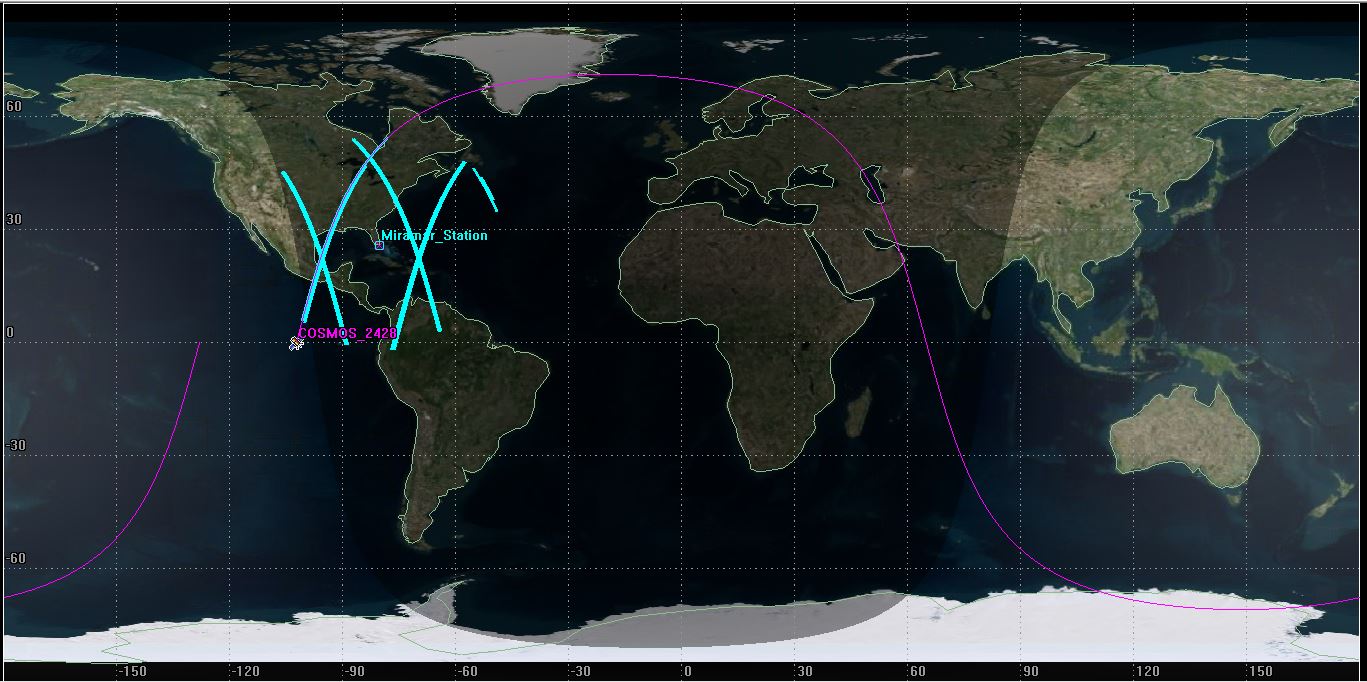
Propagation of the satellite's state vector using SGP4 and checking its visibility for future
- 375 (All time)
- 2 (Last 30 days)
- 5.0 / 5
- Community
-
18 Apr 2024
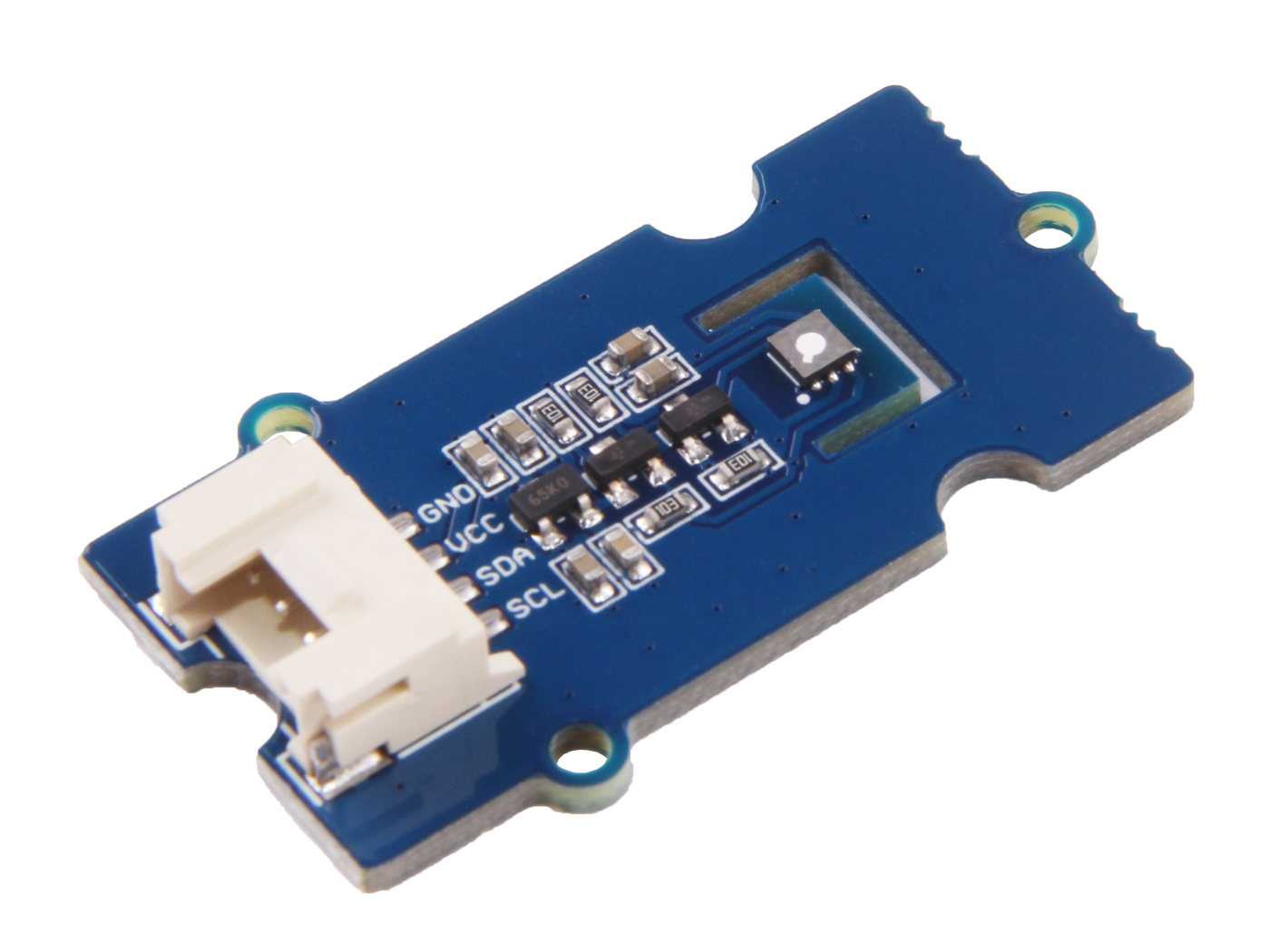
MATLAB + Arduino I2C SGP30 sensor support
Support for the SGP30 eCO2 and TVOC sensorCreate an arduino object with I2C. serialDevices = serialportlist; a = arduino(serialDevices(end),'Nano3','Libraries',{'I2C'});Connecting to the
- 279 (All time)
- 14 (Last 30 days)
- -- / 5
- Community
-
25 Nov 2024

This code gives you the date vector for a given epoch of Two Line Element (TLE)data.
- 330 (All time)
- 1 (Last 30 days)
- 5.0 / 5
- Community
-
19 May 2017
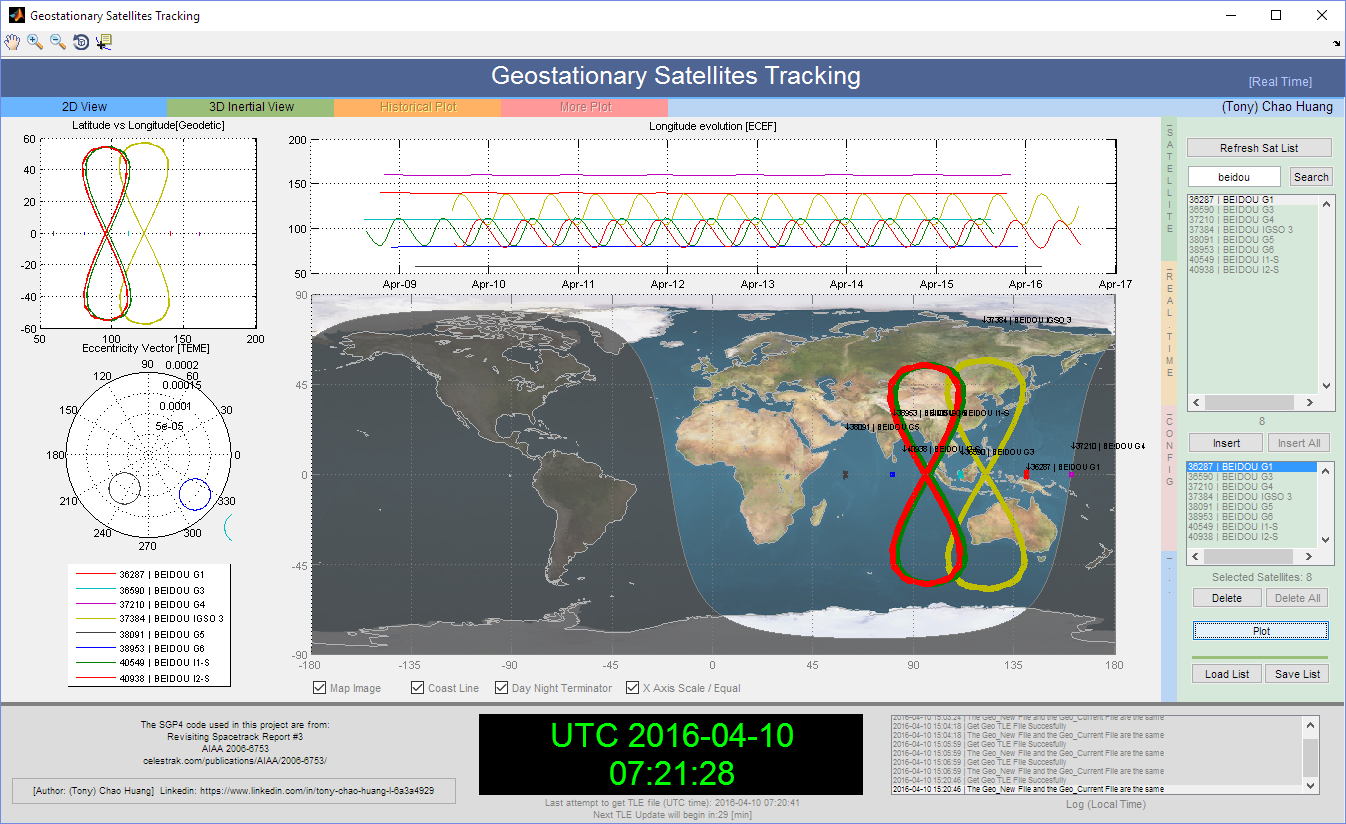
Geostationary Satellites Tracking
Matlab based application to predict the orbit and track the geostationary satellites in real time.
satellites orbit are predicted/propagated using Simplified perturbations models codes (SGP4) from “Revisiting Spacetrack Report #3” and The results of the orbit prediction are displayed in different types of
- 3.4K (All time)
- 24 (Last 30 days)
- 5.0 / 5
- Community
-
18 Oct 2020
Converting a state vector/orbital elements to a TLE
MATLAB scripts that can be used to calculate an a Two Line Element (TLE) from a user-provided osculating state vector or orbital elements.
be modeled using the NORAD SGP4 algorithm. Includes PDF users guide.
- 1.1K (All time)
- 3 (Last 30 days)
- 2.7 / 5
- Community
-
28 Dec 2022
Optimization algorithms for gradual patterns
Some optimization algorithms for mining gradual patterns.
as sgp1. GRAdual rANKing Algorithm for GPs (GRAANK)This is the classical approach (initially proposed by Anne Laurent) for mining gradual patterns. All the remaining algorithms are variants of this
- 38 (All time)
- 1 (Last 30 days)
- -- / 5
- Community
-
12 Apr 2022
LEO Launch Window & COLA Screening Tool
daily Low Earth Orbit (LEO) launch opportunities from a geographic launch site into a target orbital plane
the TIO locator s') and nutation corrections. Frame and SGP4 helpers are the Vallado/Mahooti m-files in this folder, plus a local ITRF->GCRF reimplementation inside test_launch_window.m. Default
- 24 (All time)
- 5 (Last 30 days)
- -- / 5
- Community
-
10 Aug 2026
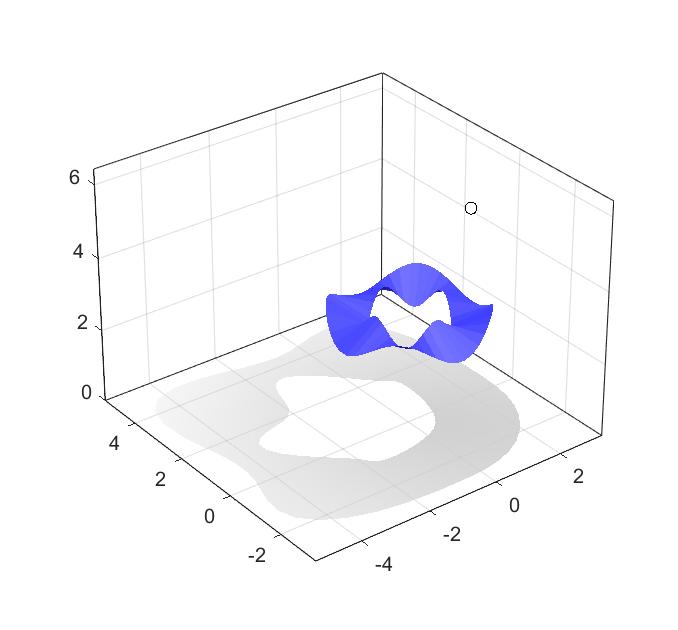
Create shadows of your data on the sides of an Axes.
details.Compute shadow projections on all 3 walls of the axes, and animate the light throughthe scene.[tri, lz] = ps2stereographicsphere(hexgrid); H=triMeshShadow3(tri, [0 0 lz
- 31 (All time)
- 16 (Last 30 days)
- -- / 5
- Community
-
28 Feb 2025
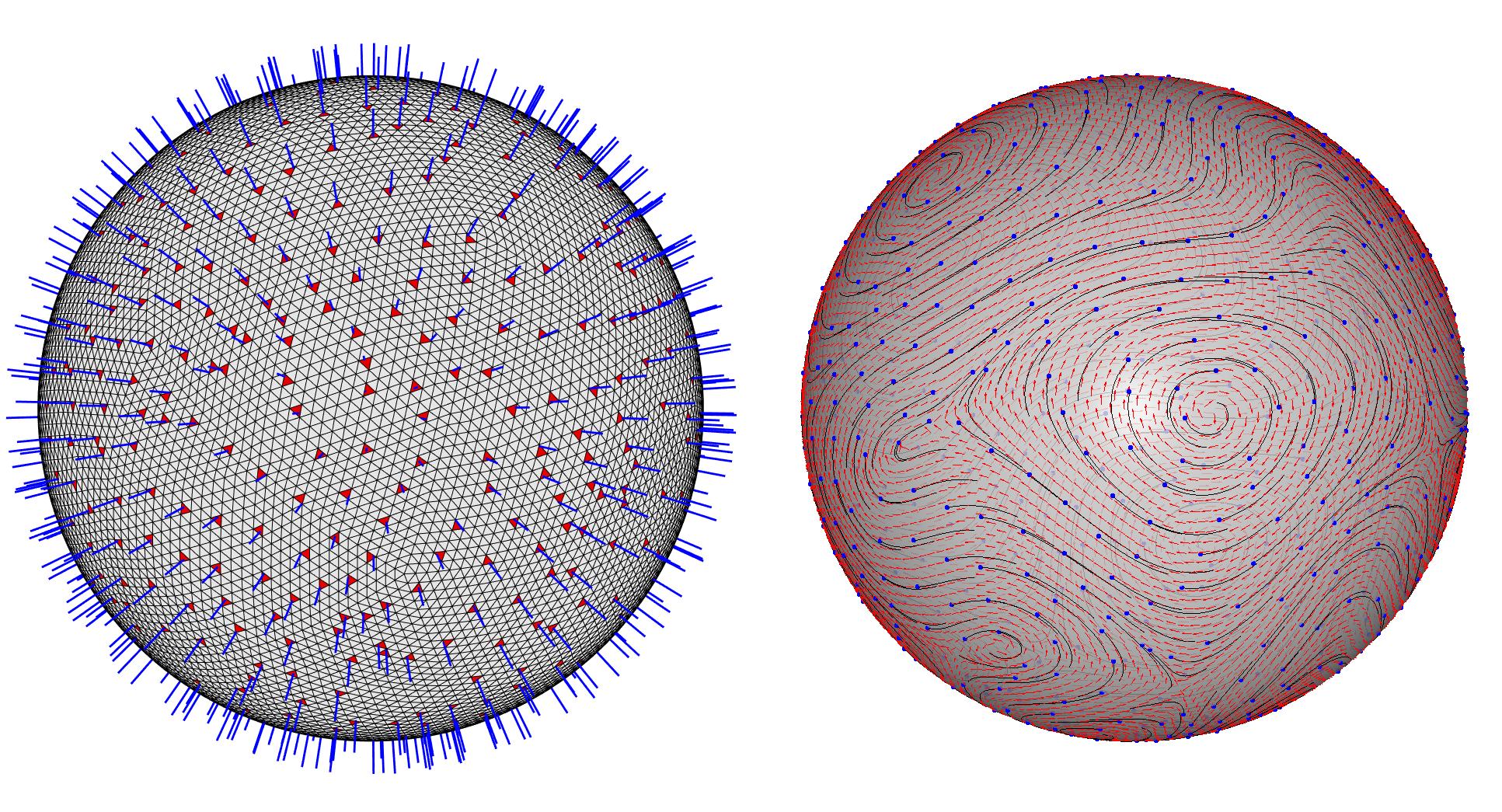
Fast particle tracking and ray-triangle intersection queries on triangular meshes of a unit sphere
coordinates', In Proceedings of the 4th Eurographics Symposium on Geometry Processing (SGP 2006), pp.81–88.LicenseMIT © 2021 Anton Semechko (a.semechko@gmail.com)
- 34 (All time)
- 1 (Last 30 days)
- -- / 5
- Community
-
11 Aug 2021
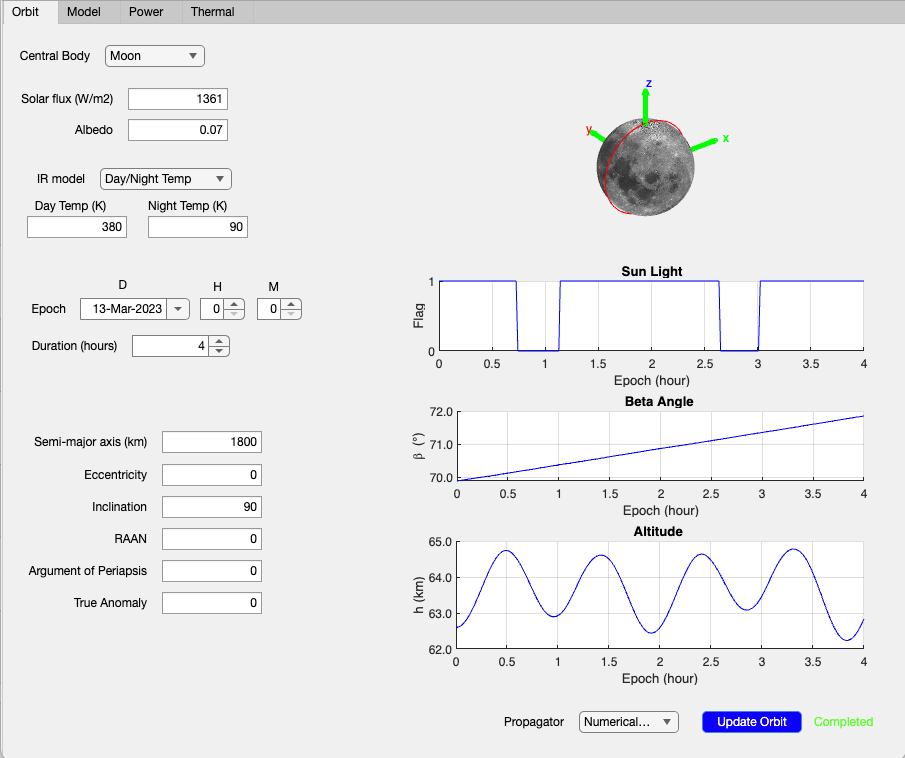
This repo stores the CubeSat Thermal Power Toolbox installers for MATLAB file exchange
tool currently provides options for Earth or Moon orbits.Earth orbitsPropagator options: two-body-keplerian and SGP4.Moon orbitsPropagator options: Kepler and Numerical (high precision).The Numerical
- 1.7K (All time)
- 24 (Last 30 days)
- -- / 5
- Community
-
22 Sep 2023

Initial Orbit Determination (Angles-Only Method)
Angles-only approach applying the Least Squares method
- 1.2K (All time)
- 8 (Last 30 days)
- 4.0 / 5
- Community
-
7 Mar 2025

Initial Orbit Determination (Least Squares Method)
Initial orbit determination applying the Least Squares method
- 1.8K (All time)
- 6 (Last 30 days)
- 5.0 / 5
- Community
-
6 Mar 2025

Initial Orbit Determination (Extended Kalman Filter)
Initial orbit determination applying the Extended Kalman Filter
- 1.9K (All time)
- 8 (Last 30 days)
- 5.0 / 5
- Community
-
6 Mar 2025

